Chinese paper-cut animation is a distinctive art form that combines traditional folk art with modern animation techniques, and Calabash Brothers (1986) is one of its most celebrated achievements. The film follows the story of seven brothers born from magical calabashes, each possessing unique abilities such as super strength, invulnerability, and invisibility. Together, they unite to fight against evil forces, including the Snake Spirit and Scorpion Spirit, to rescue their grandfather and protect humanity. The narrative highlights themes of courage, unity, and the victory of good over evil, resonating deeply with audiences.
Produced in the 1980s during a period of significant political and social change in China, Calabash Brothers emerged amidst the country’s reform and opening-up policies. This era fostered a renewed interest in traditional culture, and the film reflects this by incorporating elements of Chinese folklore and mythology. It not only celebrates national pride but also addresses the societal need for moral guidance during a time of rapid modernization. The animation’s success lies in its compelling storytelling and innovative use of paper-cut techniques, which transform static art into dynamic, visually engaging scenes.
The roots of Chinese paper-cut animation can be traced to traditional folk paper-cutting and shadow puppetry. Paper-cutting, which originated in the Western Han Dynasty, reached its peak during the Ming and Qing Dynasties, while shadow puppetry, with a history spanning over 1,500 years, provided inspiration for animating static art. These traditional forms laid the groundwork for the development of paper-cut animation and its global recognition. Other notable works, such as The Mouse Marries Off His Daughter (1983) and The Fisher Boy (1958), further demonstrate the regional diversity and cultural richness of this art form.
In conclusion, Calabash Brothers exemplifies how Chinese paper-cut animation bridges traditional art and modern storytelling, preserving cultural heritage for contemporary audiences. Moving forward, the integration of digital technologies could enhance its narrative potential, ensuring its continued relevance in the digital age. This art form not only honors China’s cultural legacy but also serves as a vital link between the past and the future.
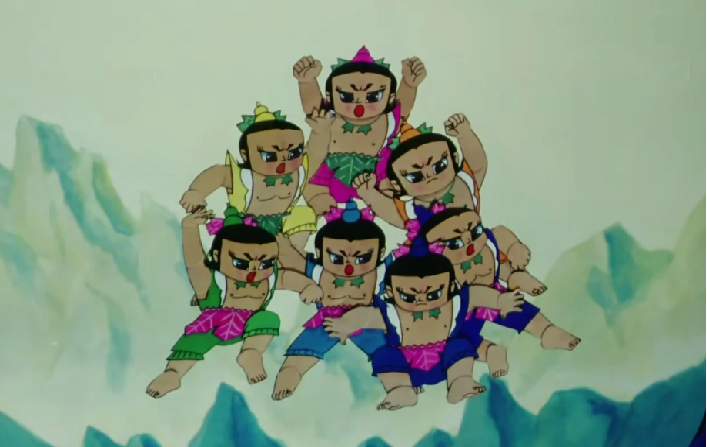
Calabash Brothers
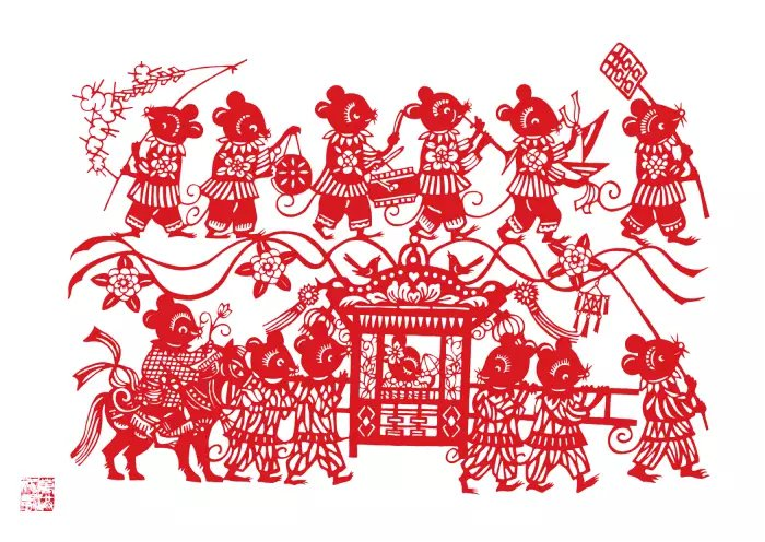
The Mouse Marries Off His Daughter
Leave a Reply